How Regular Testing Extends the Life of Your Fire Alarm System
Fire alarm systems serve as the first line of defense against fire-related emergencies. Their ability to detect danger quickly and initiate appropriate responses can significantly reduce property damage, operational disruption, and risks to human life.
Because these systems play such a critical role, maintaining their performance should be a priority for every facility owner and manager. One of the most effective ways to protect your investment is through regular testing and maintenance.
Scheduled inspections not only help ensure safety and compliance but also contribute significantly to extending the lifespan of your Fire Alarm System.
Understanding the Importance of Fire Alarm Systems
A Fire Alarm System consists of multiple interconnected components working together to detect fire conditions and notify occupants.
Common system components include:
- Smoke detectors
- Heat detectors
- Flame detectors
- Manual call points
- Alarm control panels
- Sounders and strobes
- Communication modules
- Backup power supplies
When any of these components fail, the overall effectiveness of the system may be compromised. Regular testing helps identify issues before they affect performance.
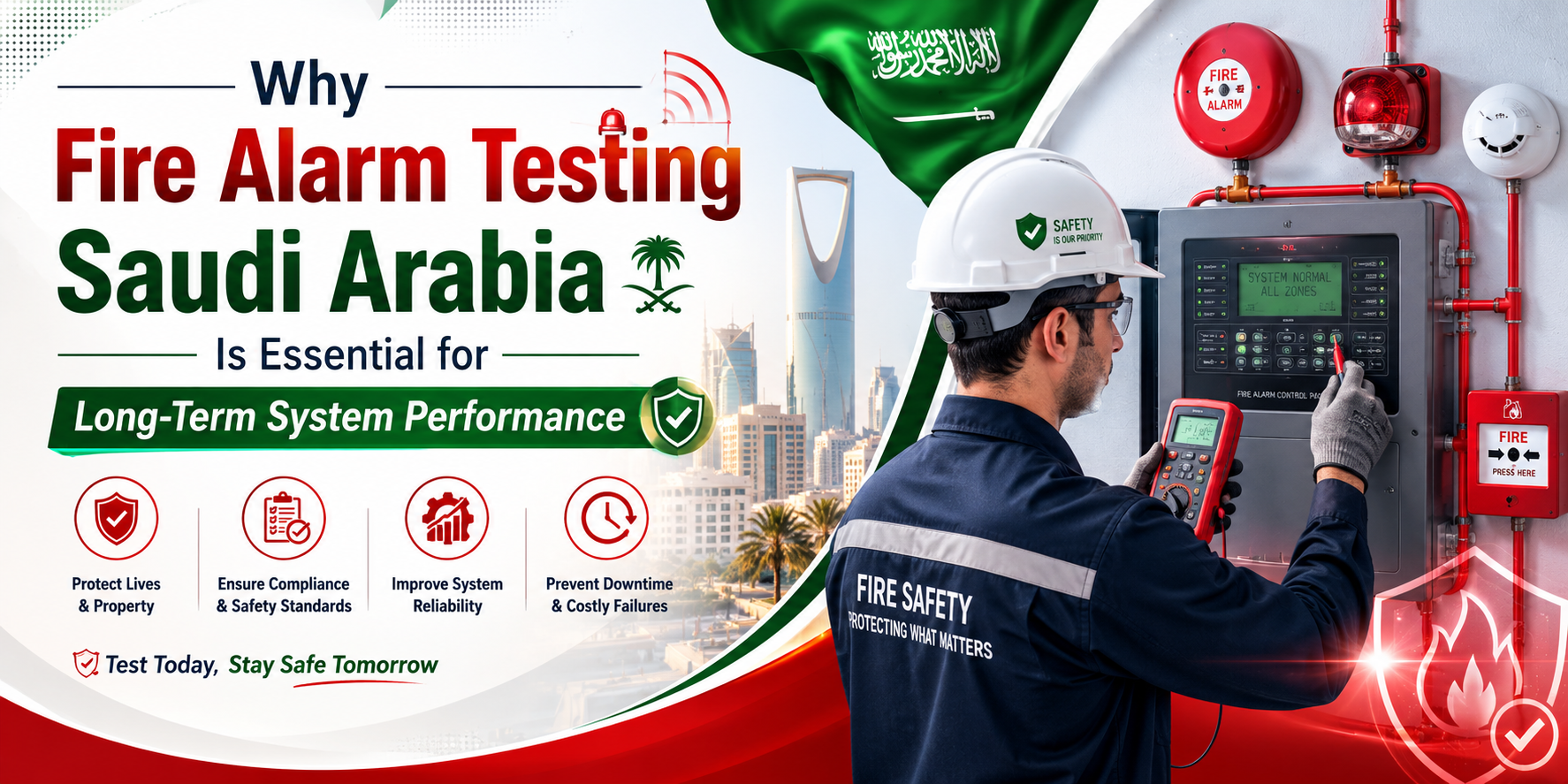
Why Fire Alarm Testing Saudi Arabia Is Essential for Long-Term System Performance
Environmental conditions, aging components, dust accumulation, humidity, and normal wear can all impact fire alarm performance over time.
Routine Fire Alarm Testing Saudi Arabia programs help
- Verify detector sensitivity
- Confirm alarm activation
- Test communication pathways
- Evaluate battery performance
- Detect hidden faults
- Ensure system readiness
By identifying minor issues early, organizations can prevent expensive repairs and premature equipment replacement.
How Regular Testing Prevents Component Failure
Every electronic device experiences gradual wear over time. Fire alarm systems are no exception.
Early Detection of Faults
Testing allows technicians to identify:
- Loose connections
- Corroded terminals
- Damaged wiring
- Failing batteries
- Malfunctioning detectors
Addressing these issues early prevents them from escalating into major failures.
Reduced Stress on System Components
When faults remain undetected, certain system components may operate under abnormal conditions. This additional strain can accelerate deterioration and shorten equipment lifespan. Routine testing helps ensure every component operates within its intended parameters.
The Role of Fire Alarm Inspection KSA in System Longevity
A comprehensive Fire Alarm Inspection KSA program examines both visible and hidden aspects of the system.
Inspections typically include:
- Detector condition assessments
- Panel functionality verification
- Notification appliance testing
- Power supply evaluations
- Communication checks
- Documentation reviews
These inspections provide valuable insights into system health and help maintenance teams plan repairs or upgrades before failures occur.
Fire Alarm Maintenance Saudi Arabia and Preventive Care
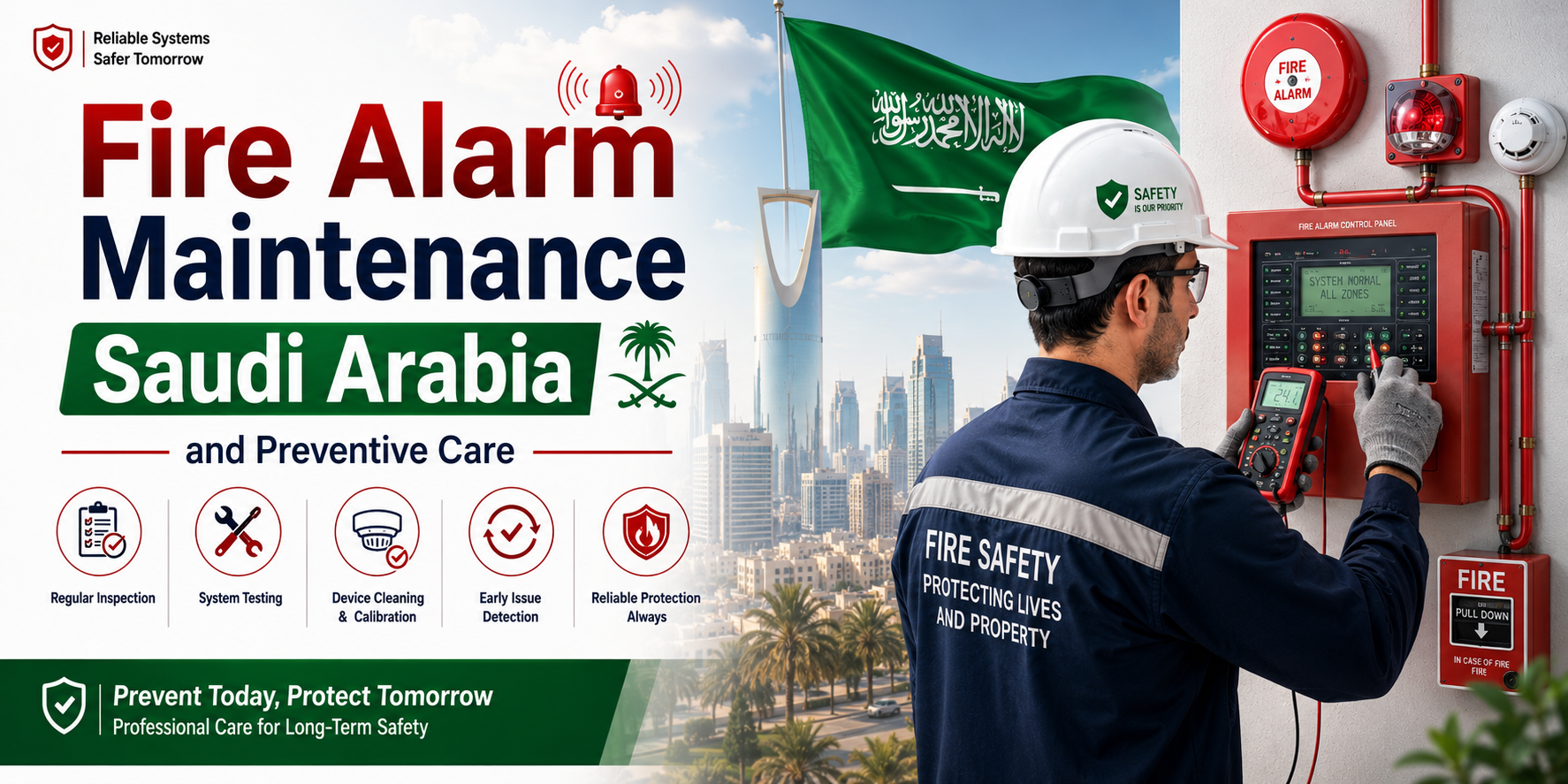
Preventive maintenance focuses on keeping systems operating efficiently rather than waiting for problems to develop.
Benefits of preventive maintenance include:
Extended Equipment Life
Regular cleaning, calibration, and adjustment reduce wear and improve performance.
Lower Repair Costs
Minor repairs are typically less expensive than major emergency replacements.
Improved Reliability
Well-maintained systems perform more consistently during emergencies.
Better Return on Investment
Organizations maximize the value of their fire protection infrastructure by extending equipment service life.
How Dust and Environmental Factors Affect Fire Alarm Systems
Many facilities operate in environments that expose fire alarm equipment to challenging conditions.
Examples include:
- Construction sites
- Manufacturing facilities
- Warehouses
- Commercial kitchens
- Industrial plants
Dust, grease, moisture, and airborne contaminants can interfere with detector performance. Routine testing helps identify contamination-related issues before they damage sensitive components. Cleaning and servicing detectors as part of maintenance programs significantly improve system durability.
Protecting Batteries and Power Supplies
Backup power systems are essential components of every Fire Alarm System. During power outages, batteries ensure the system remains operational until normal power is restored.
Regular testing helps verify:
- Battery capacity
- Charging performance
- Connection integrity
- Backup system readiness
Neglected batteries may fail unexpectedly, causing unnecessary strain on other system components and increasing replacement costs.
Software and Communication Testing
Modern fire alarm systems often include advanced communication technologies that connect detectors, panels, monitoring stations, and building management systems.
Regular testing helps ensure:
- Signal transmission remains reliable
- Communication modules function correctly
- Network integrations operate as expected
- Fault reporting systems remain accurate
Maintaining these functions improves overall system reliability and prevents communication-related failures.
Supporting Fire Safety Compliance Saudi Arabia
Compliance is another important reason to conduct routine testing. Fire Safety Compliance Saudi Arabia often mandates regular inspection, testing, and documentation of fire protection systems.
Consistent testing helps organizations:
- Meet regulatory obligations
- Pass inspections
- Maintain safety certifications
- Avoid compliance penalties
- Demonstrate due diligence
Compliance-driven maintenance programs naturally support longer equipment life because systems receive ongoing attention and care.

The Financial Benefits of Regular Testing
Some organizations view testing as an operational expense. In reality, regular testing often reduces long-term costs.
Avoiding Premature Replacement
Properly maintained systems typically remain operational longer than neglected systems.
Reducing Emergency Repairs
Unexpected failures often result in costly emergency service calls and business disruption.
Lowering Downtime Costs
Reliable fire alarm systems help minimize operational interruptions and productivity losses.
Protecting Business Assets
Early detection capabilities reduce potential fire damage and associated financial risks. These financial advantages often outweigh the cost of routine maintenance programs.
Working with a Professional Fire Alarm Testing Company Saudi Arabia
Professional service providers bring specialized knowledge, testing equipment, and industry expertise to maintenance programs. Benefits of working with a qualified Fire Alarm Testing Company in Saudi Arabia include the following:
- Comprehensive system evaluations
- Accurate fault diagnosis
- Professional documentation
- Compliance support
- Maintenance planning
- Access to advanced testing equipment
Experienced technicians can identify potential issues that may not be visible during routine visual inspections.
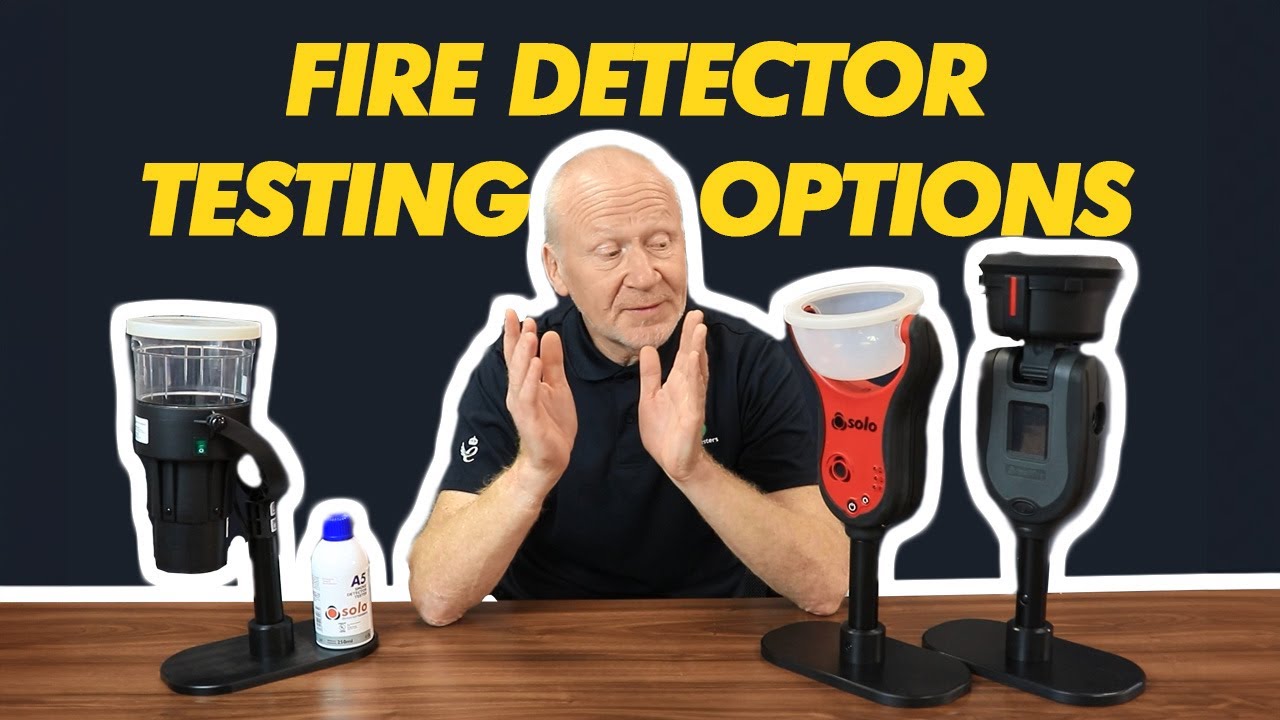
Best Practices for Extending Fire Alarm System Life
Organizations can maximize system lifespan by following several key practices:
Schedule Regular Testing
Establish a maintenance schedule that aligns with regulatory requirements and manufacturer recommendations.
Address Faults Promptly
Even minor faults should be investigated and corrected quickly.
Maintain Accurate Records
Detailed maintenance records help track system performance and identify recurring issues.
Use Qualified Professionals
Certified technicians ensure inspections and testing are completed correctly.
Upgrade Aging Components
Replacing outdated components before failure can improve reliability and extend overall system life.
The Long-Term Value of Fire Alarm Services KSA
Professional Fire Alarm Services KSA provides more than regulatory compliance. They help organizations protect their investment in life safety infrastructure.
Routine testing and maintenance create a proactive approach to fire protection that reduces risk, improves reliability, and extends equipment lifespan. Facilities that prioritize ongoing maintenance often experience fewer failures, lower repair costs, and greater confidence in their emergency preparedness capabilities.
Conclusion
Regular testing is one of the most effective ways to extend the life of your Fire Alarm System. Through routine inspections, preventive maintenance, and professional evaluations, organizations can identify issues early, reduce equipment wear, and maintain reliable fire protection performance.
Whether through Fire Alarm Testing Saudi Arabia programs, Fire Alarm Inspection KSA services, or ongoing Fire Alarm Maintenance Saudi Arabia initiatives, consistent attention helps maximize system lifespan while supporting Fire Safety Compliance Saudi Arabia requirements.
Partnering with an experienced provider such as Novus Fire and Security LLC ensures your fire alarm infrastructure receives the professional care necessary to remain dependable, compliant, and ready to perform when it matters most.
FAQs
Q1. Why is regular testing important for a Fire Alarm System?
A1. Regular testing helps identify faults early, ensures reliable operation, supports compliance requirements, and extends the lifespan of fire alarm components.
Q2. How often should a Fire Alarm System in KSA be tested?
A2. Testing frequency depends on local regulations, system type, and manufacturer recommendations, but routine inspections and maintenance should be conducted regularly.
Q3. What does a Fire Alarm Inspection KSA typically include?
A3. A Fire Alarm Inspection KSA generally includes detector testing, control panel checks, battery inspections, alarm activation verification, and system documentation reviews.
Q4. How does Fire Alarm Maintenance Saudi Arabia extend system life?
A4. Fire Alarm Maintenance Saudi Arabia programs help prevent component failures, reduce wear and tear, improve reliability, and lower long-term repair costs.
Q5. Why hire a professional Fire Alarm Testing Company Saudi Arabia?
A5. A professional Fire Alarm Testing Company Saudi Arabia has the expertise, equipment, and knowledge required to perform accurate testing, ensure compliance, and maintain optimal system performance.
